Walk-In Shower vs. Tub: Which Is Right for Your Southern MD Bathroom?

It’s one of the first questions that comes up when Southern Maryland homeowners start planning a bathroom remodel: do we keep the tub, or do we replace it with a walk-in shower?
It sounds simple. But the answer depends on your household, your lifestyle, your home’s value, and how long you plan to stay. Get it right and you’ll love your bathroom for decades. Get it wrong and you’ll wish you’d thought it through a little more carefully before the tile went in.
At Plan B Bathroom & Remodeling , we help homeowners throughout Charles County, Calvert County, and St. Mary’s County think through exactly this decision every day. This guide lays out everything you need to know so you can make the call with confidence — and then we’ll help you execute it beautifully.
First, Know What You’re Actually Deciding
In most Southern Maryland homes — particularly those built between the 1980s and early 2000s — the primary bathroom has one of two layouts: a separate tub and shower, or a tub-shower combo. The question homeowners are usually asking is whether to remove the tub entirely and replace it with a larger, dedicated walk-in shower , or keep the tub (whether in its current form or upgraded).
This is a design decision, a lifestyle decision, and yes, a financial decision. Let’s walk through each dimension.
The Case for a Walk-In Shower
You’ll Actually Use It
Be honest with yourself: how often do you use your bathtub? For most adults in Southern Maryland, the answer is rarely — or never. The garden tub that seemed like a luxury when the house was built has become the place where bath toys accumulate and shampoo bottles go to die.
A walk-in shower, by contrast, gets used every day. Replacing an underused tub with a well-designed, spacious shower turns wasted square footage into something you enjoy every morning.
The Space Opens Up Dramatically
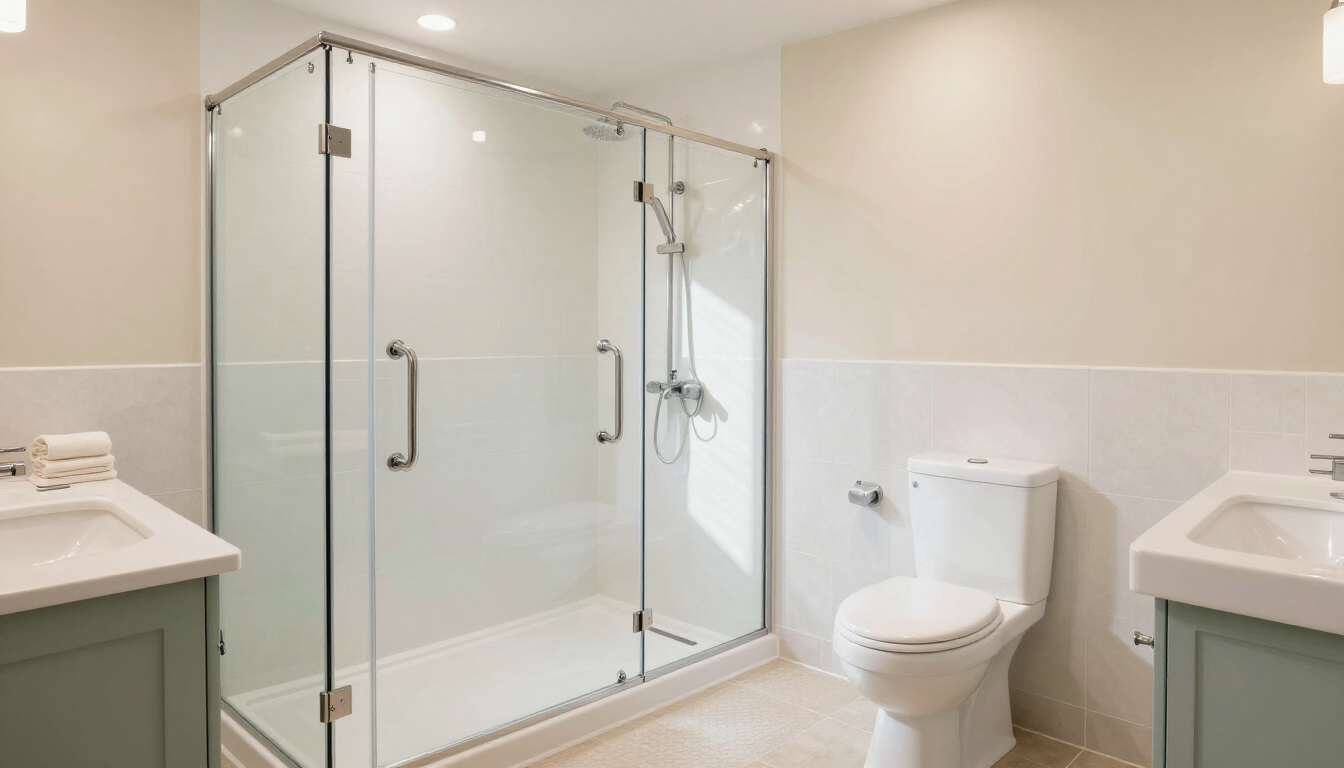
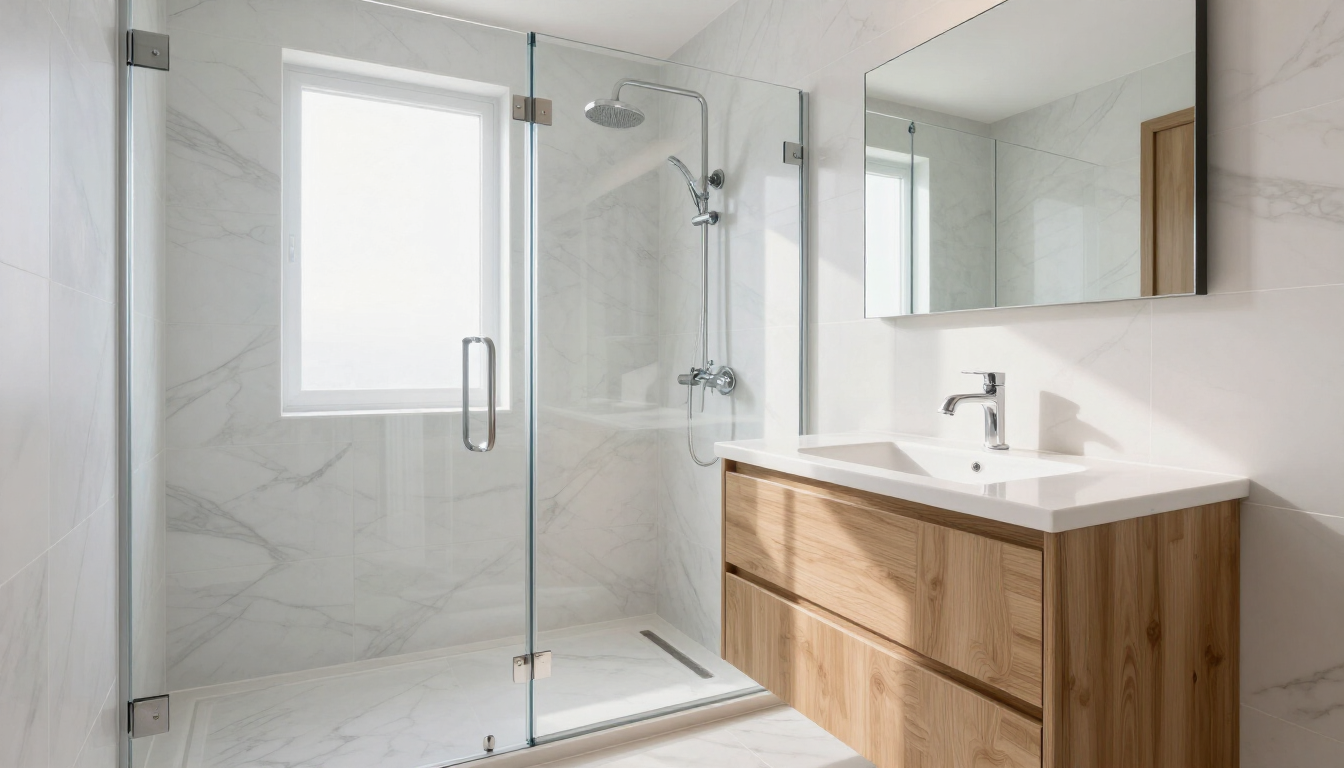
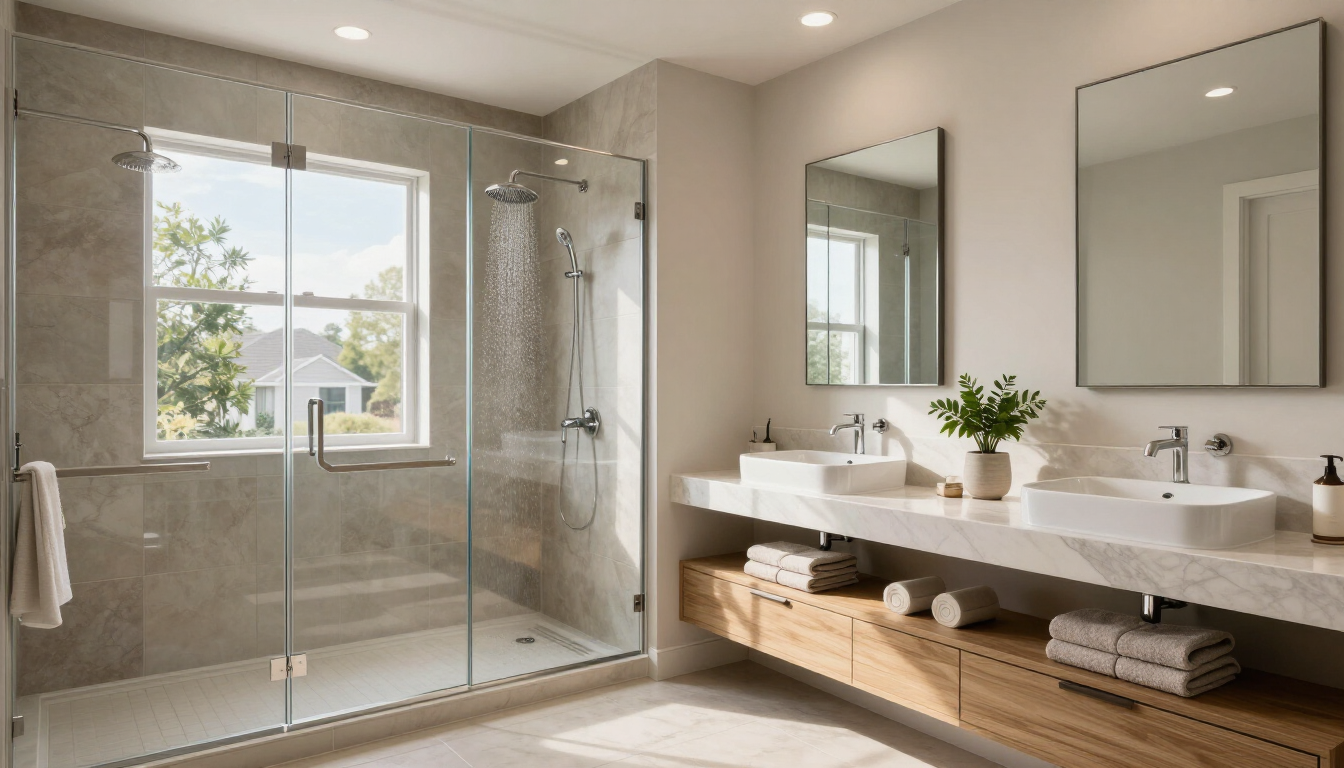
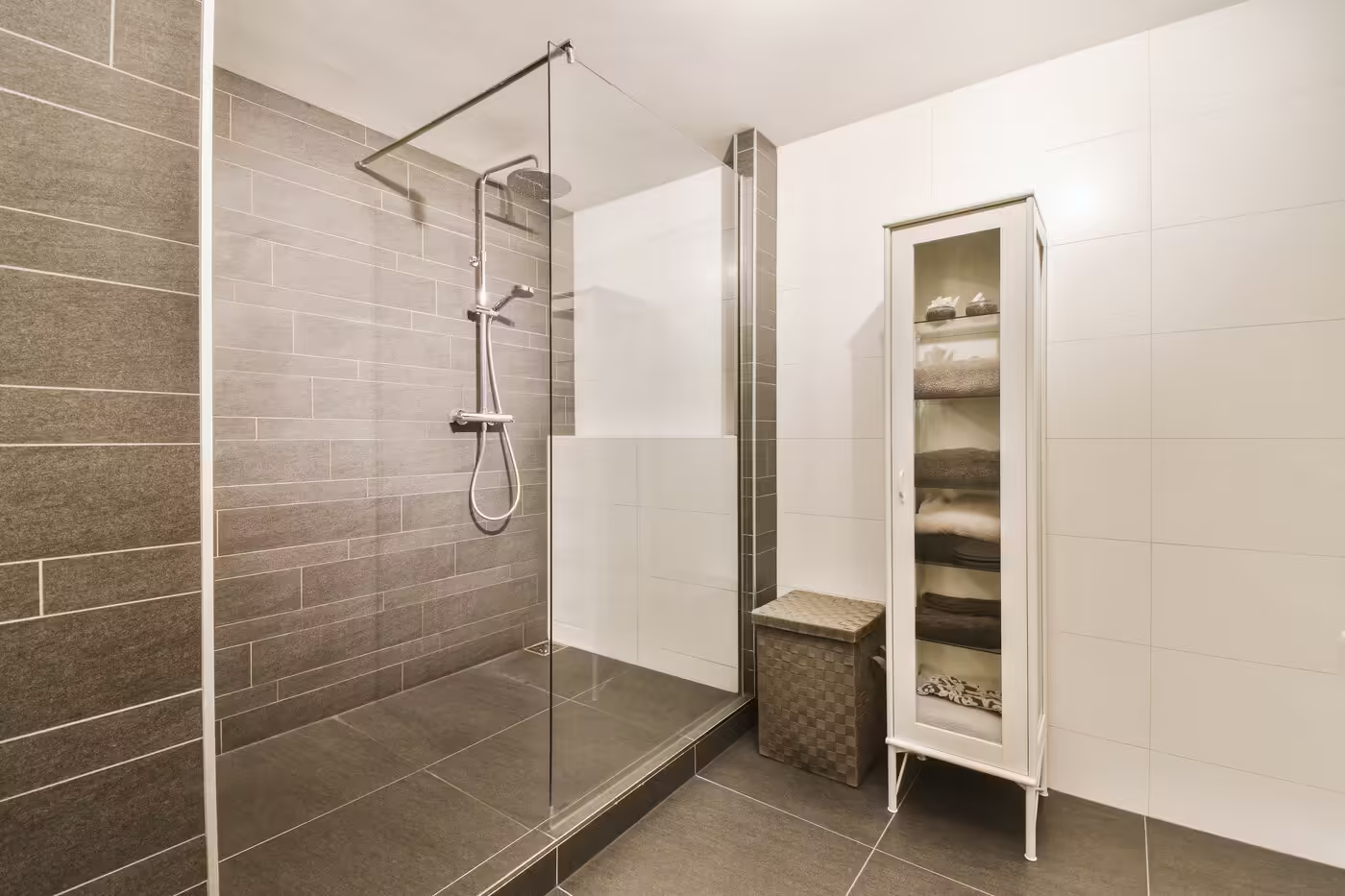
Walk-in showers — especially curbless designs — create a visual openness that makes even a modestly sized bathroom feel significantly larger. With the right tile, frameless glass, and a linear drain, a walk-in shower can be a genuine design statement instead of an afterthought.
Accessibility and Aging-in-Place
This is the consideration that drives more tub-to-shower conversions in Southern Maryland than almost anything else. A curbless walk-in shower with a built-in bench, a handheld showerhead, and properly placed grab bars makes the bathroom safer and more functional for anyone dealing with mobility issues, joint pain, or the natural changes that come with aging.
If you plan to stay in your home long-term — and many Southern Maryland homeowners do — designing your primary bathroom for accessibility now is one of the smartest investments you can make. Our team can incorporate all of these features seamlessly into a shower that looks beautiful, not clinical.
Easier to Clean
No grout lines around a tub deck. No tub surround panels to scrub. No caulk seam where the tub meets the wall to re-do every few years. A well-tiled walk-in shower with a quality glass enclosure is genuinely easier to maintain than a tub setup.
The Case for Keeping the Tub
Families with Young Children
If you have kids under ten, you already know the answer: keep the tub. Bathing young children in a walk-in shower is awkward at best and miserable at worst. A tub isn’t a luxury for families with little ones — it’s a practical necessity.
That said, this doesn’t mean you’re stuck with what you have. Many families choose to upgrade the tub rather than replace it — a new soaking tub, updated surround tile, and a fresh deck can completely transform the space while keeping the functionality you need.
Resale Value: The Conventional Wisdom (and Its Limits)
You’ve probably heard that removing all the tubs from a home hurts resale value. Here’s the more nuanced truth:
Real estate guidance consistently holds that a home should have at least one bathtub. If you have a single bathroom, removing the tub to install a walk-in shower is a risk worth thinking carefully about. Many buyers — particularly families with young children — consider a tub a baseline requirement.
However , in a home with two or more bathrooms, converting the primary bathroom’s tub to a walk-in shower is increasingly acceptable — and in some markets, preferred. The secondary bathroom keeps a tub for buyers who need one. The primary bathroom gets the walk-in shower that many adult buyers actually want.
The bottom line: if you have only one bathroom, keep a tub accessible somewhere. If you have two or more bathrooms, converting the primary to a walk-in shower is a reasonable decision that won’t penalize your resale value — and may actually help it if the shower is beautifully done.
Soaking Tubs as a Legitimate Upgrade
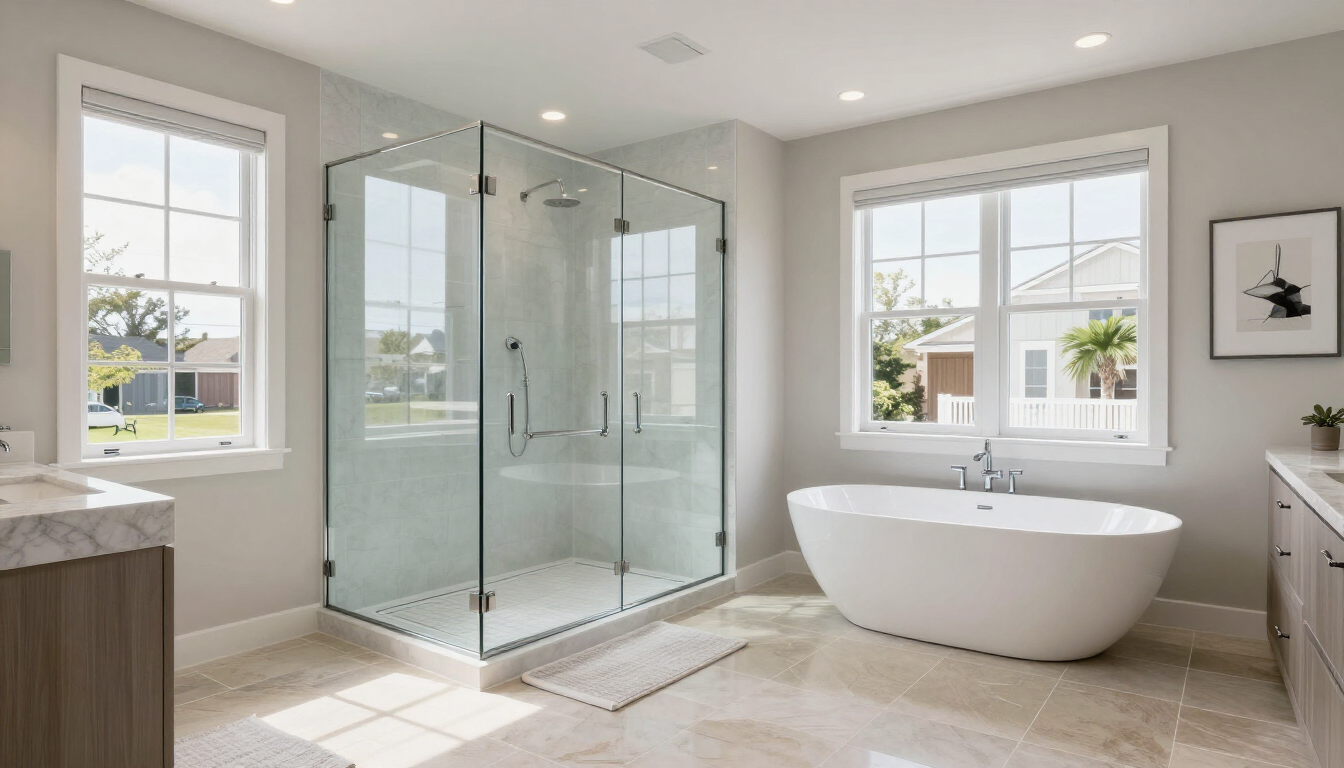
Not every tub removal is the right call. If your goal is a spa-like primary bathroom retreat, a deep soaking tub — freestanding, vessel-style, or a built-in Japanese soaking tub — paired with a separate walk-in shower gives you the best of both worlds. This is increasingly popular in higher-end Southern Maryland remodels, particularly in waterfront communities along the Patuxent River and the Chesapeake Bay.
What Southern Maryland Homeowners Are Actually Choosing
Based on what we’re seeing from Charles, Calvert, and St. Mary’s County homeowners right now:
Tub-to-shower conversions are by far the most requested primary bathroom change we do. The typical client is a homeowner in their 40s or 50s whose kids are grown, who never uses the tub, and who wants a walk-in shower with frameless glass, large-format tile, a built-in niche, and a rain showerhead. Aging-in-place features are increasingly being added proactively, even when clients aren’t currently dealing with mobility challenges.
Tub upgrades are common in second bathrooms and family bathrooms , where function for children and guests takes priority over the spa aesthetic.
Freestanding soaking tubs are gaining popularity in primary bathrooms where the square footage allows for both a tub and a separate shower — a genuine luxury option that we help clients plan through our bathroom design services.
Questions to Ask Before You Decide
Before you commit, run through these:
How many bathrooms does your home have? If this is your only full bath, keep a tub reachable. If you have two or more, the primary bathroom conversion is much lower risk.
Do children under ten live in or regularly visit your home? If yes, strongly consider keeping a tub somewhere in the house.
How long do you plan to stay in this home? If you’re planning to sell in the next two to three years, factor resale value more heavily. If you’re staying for ten or more years, prioritize what works best for your daily life.
Do you or anyone in your household have current or anticipated mobility challenges? If so, a curbless walk-in shower with accessibility features is almost always the better choice.
What is your primary bathroom’s square footage? Smaller bathrooms often benefit more from a shower conversion because a dedicated walk-in shower uses space more efficiently than a tub-plus-separate-shower layout. Larger bathrooms may have room for both.
How Plan B Helps You Figure It Out
Making the right call is easier when you have someone who’s done this hundreds of times walk through the space with you. Our bathroom design process starts with a free estimate visit where we look at your existing layout, talk through how you actually use the space, discuss your timeline and budget, and give you an honest recommendation — not just the answer that costs more.
Because we handle both the remodeling and the plumbing, we can assess the existing drain and supply lines and tell you upfront whether moving things around will add significant cost or whether your current layout supports a clean conversion. No surprises after demo day.
Frequently Asked Questions
Is removing a bathtub a good idea for resale value in Southern Maryland?
It depends on how many bathrooms your home has. In a single-bathroom home, removing the only tub can deter buyers — particularly families with young children. In a home with two or more bathrooms, converting the primary bathroom tub to a walk-in shower is generally acceptable and often preferred by buyers when the result is a well-designed shower. The key is making sure at least one tub remains accessible somewhere in the home.
What is a curbless walk-in shower and why is it recommended?
A curbless shower, sometimes called a zero-threshold shower, has no raised lip or curb at the entry point — you simply walk in at floor level. This makes it significantly easier and safer to use for people with limited mobility, and it also creates a cleaner, more open visual in the bathroom. It requires proper floor slope and drain placement, which is work our team handles during the remodel.
Can I have both a walk-in shower and a soaking tub in my primary bathroom?
Yes, if your primary bathroom has sufficient square footage. Many Southern Maryland homeowners with larger primary bathrooms are choosing a freestanding soaking tub paired with a separate walk-in shower — a design that provides full functionality and a luxury spa aesthetic. Our bathroom design team can help you determine whether your space can accommodate both.
How long does a tub-to-shower conversion take?
Most tub-to-shower conversions in Southern Maryland homes take one to two weeks, depending on the scope of tile work, glass enclosure installation, and any plumbing changes required. A more complex project involving layout changes or custom tile work may take longer. We provide a clear timeline before work begins.
What does a walk-in shower conversion cost in Southern Maryland?
Costs vary based on size, materials, glass enclosure type, and whether plumbing lines need to be moved. A straightforward tub-to-shower conversion with standard tile and a framed glass door typically starts around $5,000–$8,000. A larger custom shower with frameless glass, large-format tile, a rain showerhead, and built-in niches can range from $10,000–$20,000 or more. Request a free estimate
for an accurate number specific to your bathroom.
Does Plan B Bathroom & Remodeling handle both the shower installation and the plumbing?
Yes. We handle both the remodeling and the plumbing in-house, which means you work with one contractor and one point of contact from start to finish. This saves time, reduces coordination headaches, and typically results in a smoother project overall.
What areas does Plan B serve for bathroom remodeling?
Plan B Bathroom & Remodeling serves homeowners throughout Southern Maryland, including Charles County (Waldorf, La Plata, White Plains, Indian Head), Calvert County (Prince Frederick, Dunkirk, Lusby, Chesapeake Beach), and St. Mary’s County (Leonardtown, California, Lexington Park, Great Mills). See our full service area.
Ready to Make the Call?
Whether you know exactly what you want or you’re still working through the decision, Plan B Bathroom & Remodeling is ready to help. We’ll come out, look at your space, and give you a straight answer — along with a free, no-obligation estimate.
Call us at (240) 577-4849 or schedule your free estimate online today. Let’s build a bathroom you’ll love using every day.