
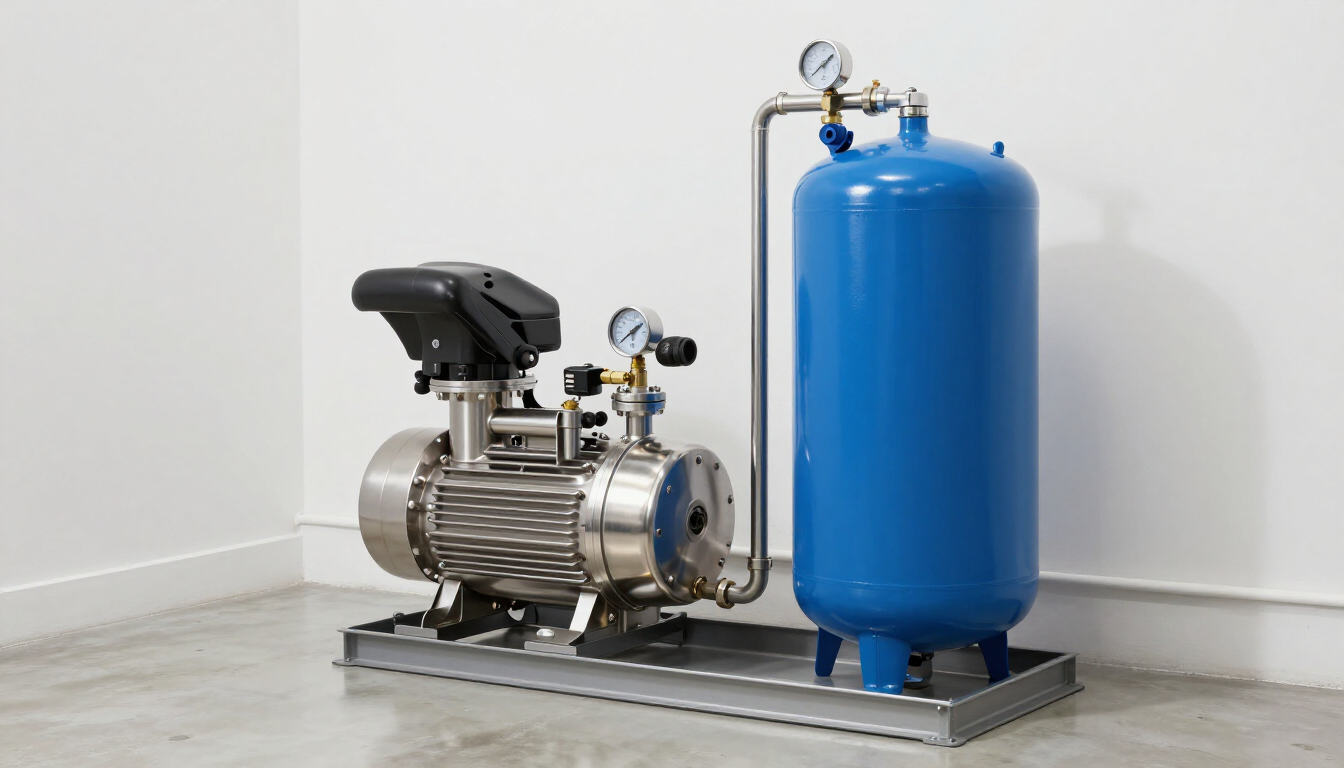
Choosing between tank and tankless water heater replacement in Southern MD depends on your hot water demand, budget, and long-term energy goals. While traditional tanks offer lower upfront costs, tankless models provide endless hot water and higher efficiency, making them an excellent investment for many modern Maryland households.
What is the difference between tank and tankless water heaters?
When you are looking at water heaters , the primary difference lies in how they store and heat water. A traditional tank water heater maintains a large reservoir of water—usually 40 to 50 gallons—and keeps it heated 24/7 so it is ready when you turn on the tap. This is known as storage water heating.
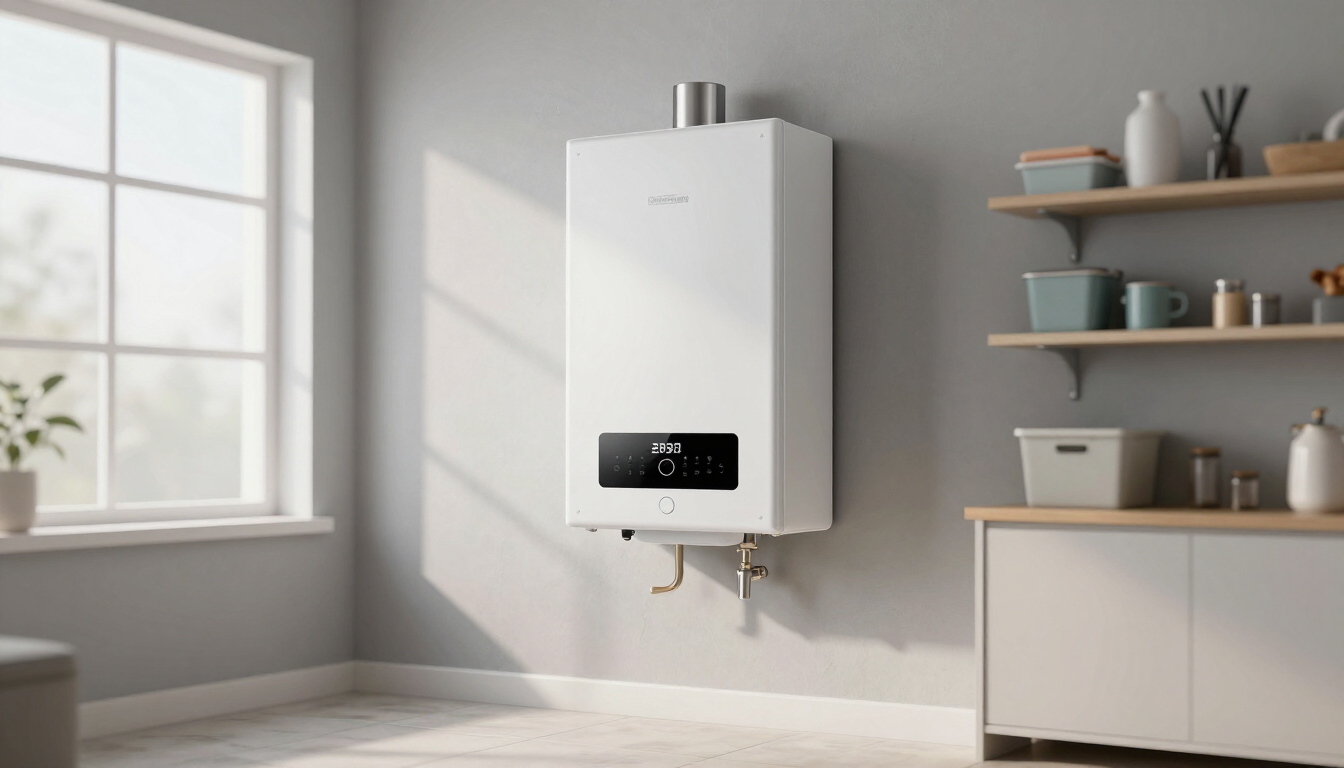
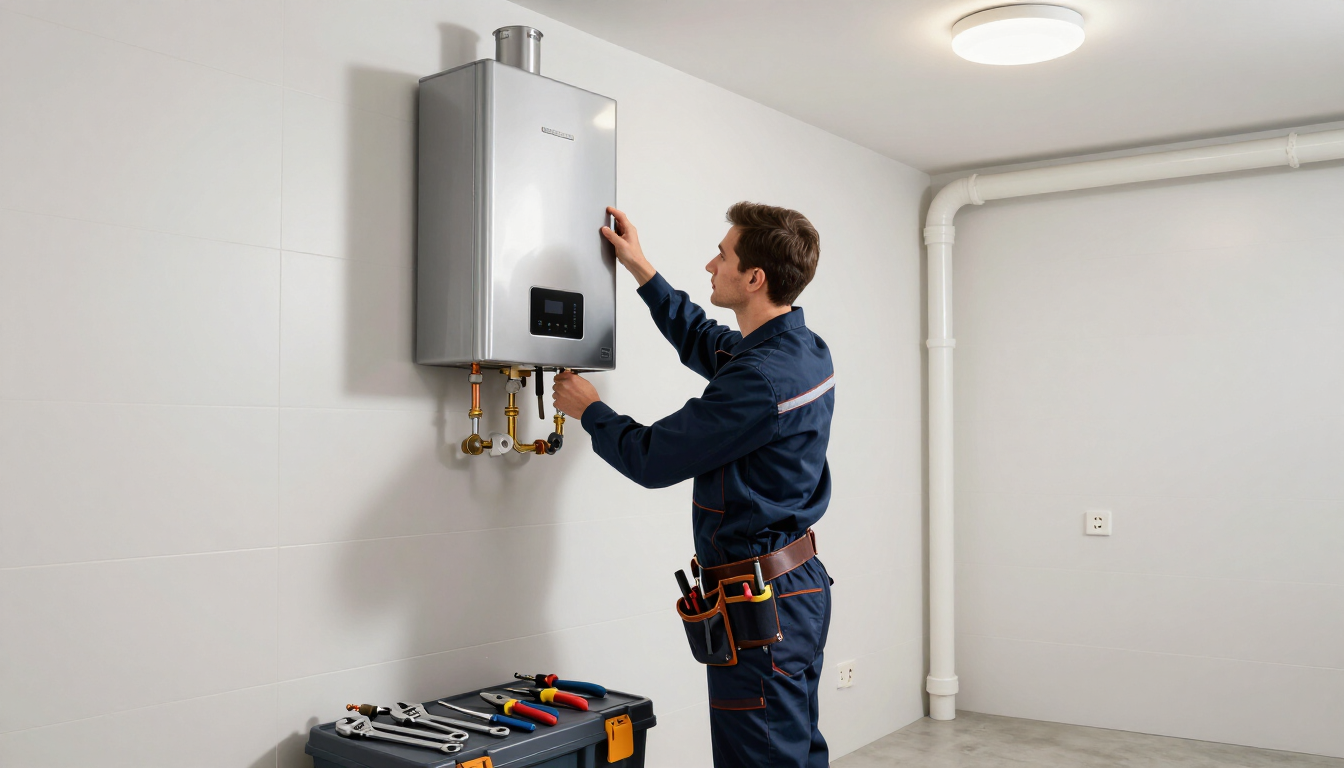
In contrast, a tankless water heater, often called an "on-demand" system, does not use a storage tank. Instead, it uses high-powered burners or electric coils to rapidly heat water as it flows through the unit. This means you only heat the water you actually use. For homeowners in our service area , understanding this mechanical difference is the first step in deciding which system fits their lifestyle.
Comparing the two systems at a glance:
- Tank Heaters : Larger footprint, lower initial cost, limited hot water supply.
- Tankless Heaters : Compact wall-mount design, higher initial cost, unlimited hot water.
- Efficiency : Tankless systems are generally 24%–34% more energy-efficient than conventional tanks.
- Lifespan : Tanks last 10–15 years; tankless units can last 20+ years.
- Maintenance : Both require annual flushing, but tankless units are more sensitive to hard water.
Key benefits of traditional tank water heaters
Despite the rising popularity of on-demand systems, traditional tank models remain a staple for many plumbing services customers in Southern MD. Their primary advantage is simplicity and affordability. Because the technology has been around for decades, the units themselves are less expensive to purchase, and the installation process is typically straightforward, especially if you are replacing an existing tank with a similar model.
For a household with predictable water usage and a tighter budget, a high-efficiency tank model can be a perfectly viable option. These units have also improved in efficiency over the years, with better insulation that reduces "standby heat loss"—the energy wasted keeping the water hot when no one is using it. If your home is already set up for a tank and you don't want to invest in the venting or gas line upgrades often required for tankless, a new tank unit is a solid choice.
Why should you consider a tankless water heater in Southern MD?
Southern Maryland families, particularly those in larger homes or with growing families, often find that tankless systems solve the age-old problem of running out of hot water mid-shower. If you have a large soaking tub as part of a recent bathroom remodeling project, a tankless unit ensures that the water stays hot until the tub is full, something a 50-gallon tank might struggle to do.
Beyond the luxury of endless hot water, space savings are a significant factor. In many homes in Calvert or St. Mary’s County, utility rooms are cramped. A tankless unit is roughly the size of a suitcase and mounts on the wall, freeing up several square feet of floor space. Additionally, because these units don't store water, there is no risk of a 50-gallon flood in your basement if the tank rusts through and fails.
Top reasons to go tankless:
- Lower Utility Bills : You stop paying to heat water while you’re at work or sleeping.
- Long-Term Savings : The extended lifespan offsets the higher initial purchase price.
- Reduced Flood Risk : No large tank means no large-scale water damage from leaks.
- Space Optimization : Perfect for small basements or utility closets.
- Better for the Environment : Lower energy consumption reduces your home's carbon footprint.
Common signs you need a water heater replacement
Waiting until your water heater completely dies—usually on a cold Saturday morning—is never ideal. Being proactive about water heater replacement in Southern MD can save you from emergency service fees and potential water damage. If your unit is over 10 years old, it is time to start evaluating its performance.
One of the most telling signs is the color of your water. If you notice a rusty or brownish tint specifically when the hot water is running, it likely means the interior of your tank is corroding. Similarly, if you hear popping or rumbling noises coming from the unit, it indicates sediment buildup at the bottom of the tank. This sediment acts as a barrier between the burner and the water, causing the unit to overheat and eventually crack.
How long do water heaters last in Southern Maryland?
In our region, the lifespan of your unit can be affected by the local water quality. Many homes in Southern MD rely on well water, which can be "hard" (high in mineral content). Hard water leads to faster scale buildup in both tank and tankless systems. On average, a well-maintained tank water heater lasts about 10 to 12 years. Tankless units, because they are made of more durable materials like copper and stainless steel, frequently reach the 20-year mark if they are descaled annually.
If you find yourself calling for emergency services more than once a year for the same unit, the cost of repairs will quickly eclipse the cost of a new installation. Modern units are significantly more reliable and offer peace of mind that your morning routine won't be interrupted by an icy surprise.
How much does water heater replacement cost in Southern MD?
Cost is a major factor in the tank vs. tankless debate. A standard tank replacement usually ranges from $1,200 to $2,500 including labor, depending on the size and efficiency rating. Tankless installations are a larger investment, often ranging from $3,500 to $6,000. This higher price point accounts for the unit itself and the potential need for larger gas lines, specialized venting, or electrical upgrades to handle the high-intensity heating elements.
However, it is important to look at the "total cost of ownership." When you factor in the energy savings (typically $100–$150 per year) and the fact that you won’t need to replace the unit for two decades, the tankless system often becomes the more economical choice over a 20-year period. Many homeowners also find that the increased home value and the convenience of endless hot water make the upfront cost worthwhile.
Factors that influence your water heater choice
Before making a final decision, consider your specific household dynamics. If you live alone or as a couple in a smaller home, a high-efficiency tank might be more than enough for your needs. Conversely, if you have multiple teenagers, a large laundry load every day, and a dishwasher running constantly, the on-demand nature of a tankless system is a lifesaver.
Another consideration is your fuel source. Are you using electricity, natural gas, or propane? Gas-powered tankless units tend to be more efficient and have higher flow rates than electric tankless models. If your home is strictly electric, a high-end hybrid (heat pump) water heater might actually be a better alternative to a standard electric tank or an electric tankless unit. Our team can help you navigate these technical details during a free estimate .
Summary of Key Takeaways:
- Choose a Tank Heater if : You want a lower upfront cost, have plenty of floor space, and your current hot water needs are consistently met.
- Choose a Tankless Heater if : You want endless hot water, want to save on monthly energy bills, have limited space, and plan to stay in your home for 10+ years.
- Don't Ignore the Signs : If your water is rusty, noisy, or slow to heat, it's time to contact us for an inspection.
- Local Impact : Southern MD's water hardness makes regular maintenance essential for both types of systems to ensure they reach their full lifespan.
Deciding on a water heater replacement in Southern MD doesn't have to be overwhelming. By weighing the immediate costs against long-term benefits and considering your family's unique hot water usage, you can choose a system that provides comfort and efficiency for years to come. Whether you prefer the reliable tradition of a tank or the high-tech efficiency of tankless, our experts are here to ensure a seamless installation process.