Well pump and pressure tank problems usually present as fluctuating water pressure, sputtering faucets, or a constantly running pump. These issues often stem from failing pressure switches, ruptured bladders, or electrical malfunctions. If you notice these symptoms in Southern MD, professional diagnostics are essential to prevent complete system failure.

What are the most common well pump and pressure tank problems?

Living in Southern MD means many of us rely on private wells for our daily water needs. When you turn on the tap, you expect a steady stream of water, but the system behind that flow is complex. Most issues arise from a breakdown in the communication between the well pump and the pressure tank.

One of the most frequent well pump and pressure tank problems is a faulty pressure switch. This small device tells the pump when to turn on and off based on the internal pressure of the tank. If the switch is clogged with sediment or the electrical contacts are burnt, your pump might not start at all, or it might never stop running. Another common issue is the loss of the air charge in the pressure tank. Without the correct air-to-water ratio, the system can't maintain steady pressure, leading to a frustrating experience every time you try to wash the dishes or take a shower.

Furthermore, age is a significant factor. Most well tanks have a lifespan of 10 to 15 years. Over time, the internal bladder can become brittle and eventually tear. When this happens, the tank becomes "waterlogged," meaning there is no air cushion to push the water through your home’s pipes. Recognizing these signs early can save you from an emergency situation where you have no water at all.

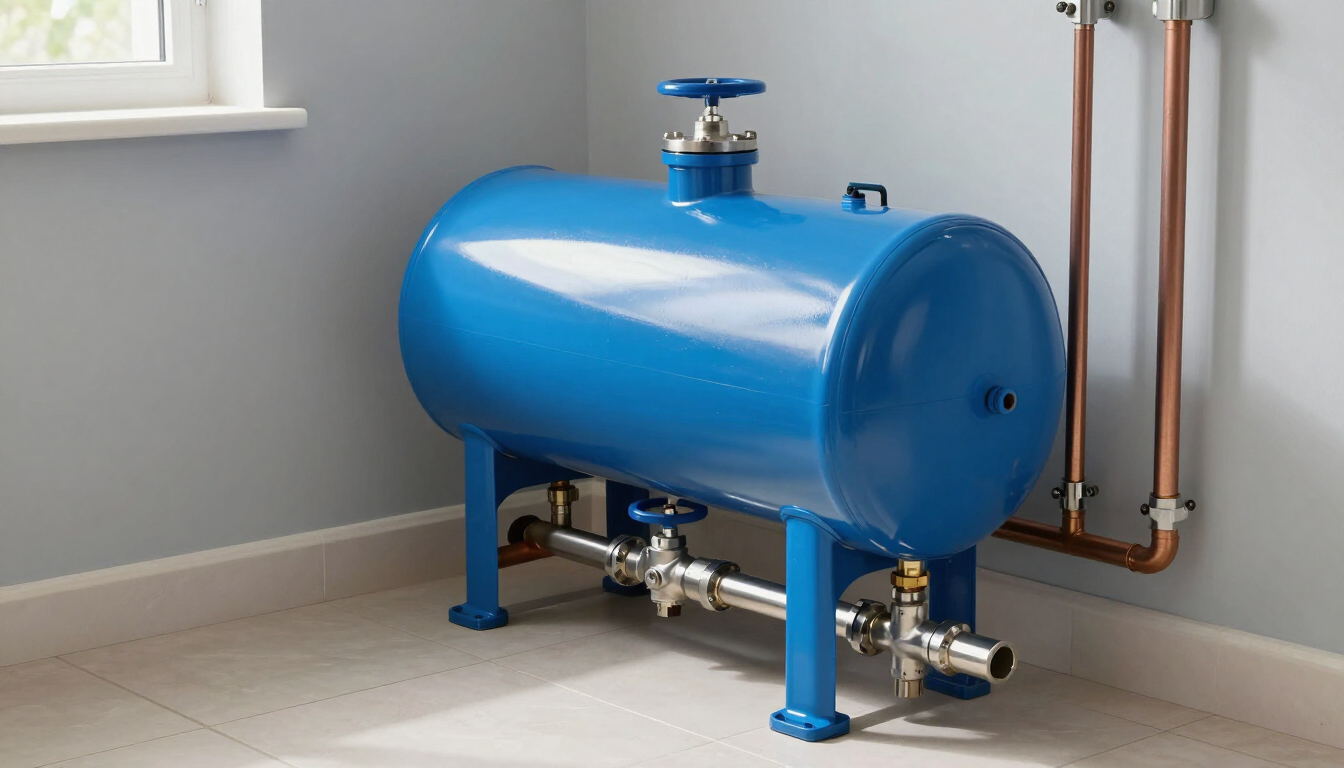
Modern well pressure tank in utility room

Troubleshooting sputtering faucets and air in lines

If your faucets are "spitting" at you or if you hear a loud gasping sound when you turn on the water, you likely have air in your plumbing lines. This is one of those well pump and pressure tank problems that feels alarming but often points to a specific set of mechanical failures. Sputtering usually happens when the water level in the well drops too low, allowing the pump to suck in air, or when there is a leak in the drop pipe that connects the pump to the surface.

In some cases, the problem is actually the pressure tank itself. If the internal bladder has a small hole, air can escape into the water stream. This air then travels through your pipes and exits through your fixtures. This isn't just a nuisance; it can cause significant wear and tear on your plumbing services infrastructure over time. The constant vibration and "water hammer" effect caused by air pockets can loosen fittings and lead to leaks behind your walls.

To diagnose this, a plumber will typically check the following:

  • The integrity of the well casing and water level.
  • The condition of the check valve (which prevents water from flowing backward).
  • The pressure tank bladder for leaks.
  • Air volume control valves in older systems.
  • Potential leaks in the suction line for above-ground pumps.

Why does my well pump keep turning on and off?

This phenomenon is known as "short cycling," and it is perhaps the most destructive of all well pump and pressure tank problems. A well pump is designed to run for a specific duration to fill the tank and then rest. If your pump is clicking on and off every few seconds or minutes, it is working much harder than it should. This excessive starting and stopping generates immense heat, which can burn out the pump motor prematurely.

Short cycling is almost always caused by a problem with the pressure tank. When a tank is functioning correctly, it holds a large volume of water under pressure, allowing you to use several gallons before the pump needs to kick in again. If the tank is waterlogged, there is no "buffer." The moment you open a faucet, the pressure drops instantly, triggering the pump. The moment you close the faucet, the pressure spikes instantly, shutting the pump off. If you suspect your system is short cycling, it’s vital to call for emergency services or a standard inspection before the motor fails completely.

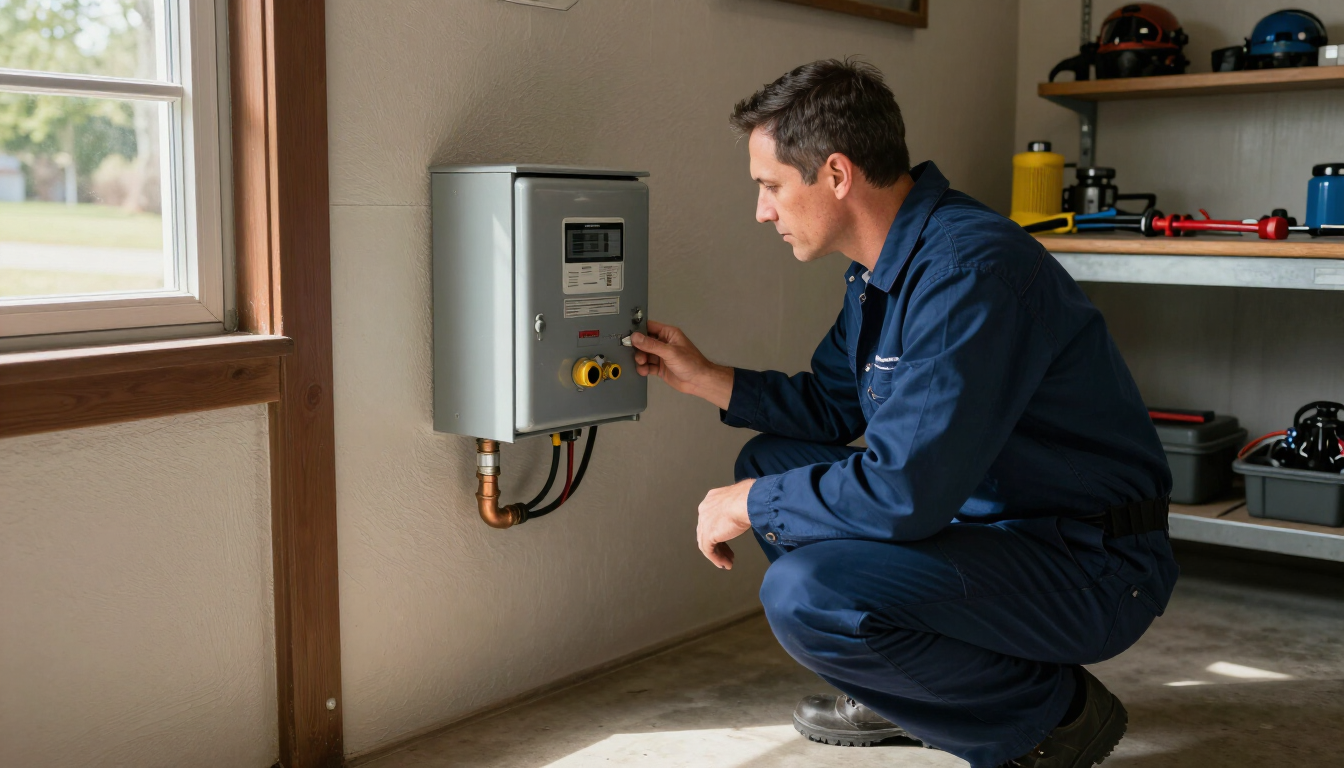
Plumber inspecting well system control box

Identifying a ruptured pressure tank bladder

You might be wondering how to tell if the internal bladder in your tank has actually failed. The simplest test is the "knock test." Walk up to your pressure tank and tap on the top and bottom. The top should sound hollow (where the air is) and the bottom should sound thuddy (where the water is). If the whole tank sounds heavy and full of water, the bladder has likely ruptured, and the tank is waterlogged.

Another clear sign is the presence of water coming out of the air valve. Most pressure tanks have a small valve on top, similar to a tire valve (Schrader valve). If you depress the center pin and water squirts out instead of air, the bladder is definitely broken. At this point, the tank can no longer regulate pressure, and you are at high risk for well pump and pressure tank problems involving motor burnout.

Replacing a pressure tank is a standard procedure for a skilled plumber, but it’s not a DIY job for most. It involves handling heavy equipment, working with high-pressure water, and ensuring the new tank is pressurized correctly to match your pump’s cut-in and cut-out settings. Our team frequently handles these replacements across our service area , ensuring homeowners get back to their normal routines with minimal disruption.

How does Southern MD soil and water affect your well system?

Southern Maryland’s geography presents unique challenges for well systems. Depending on where you live—from the sandy soils near the Chesapeake to the more clay-heavy inland areas—your well water quality can vary significantly. High iron content or "hard water" is common in our region, and these minerals are notorious for causing well pump and pressure tank problems.

Mineral scale can build up inside the tiny tube leading to the pressure switch, effectively "blinding" the system to the actual pressure levels. This can cause the pump to stay on too long or not turn on when you need it. Additionally, fine sand or sediment from our local aquifers can act like sandpaper on the internal components of your pump and the valves in your tank. If you notice a sudden drop in water pressure or sediment in your toilet tanks, it’s a sign that your well’s filtration or the pump itself is struggling with local environmental factors.

Regular maintenance is the only way to combat these regional issues. This includes:

  • Flushing the pressure tank to remove accumulated sediment.
  • Cleaning or replacing the pressure switch tube.
  • Testing water quality to check for corrosive elements.
  • Inspecting the well cap to ensure no surface contaminants are entering.
  • Checking the amperage draw of the pump to monitor motor health.

When should you call a Southern MD plumber?

While some minor adjustments might seem tempting to try yourself, most well pump and pressure tank problems require professional tools and expertise. Dealing with well systems involves a combination of high-voltage electricity and pressurized water—a dangerous mix for the inexperienced. You should call a professional immediately if you experience a complete loss of water pressure, as this could indicate a dry well or a dead pump motor.

Additionally, if you notice your electric bill has spiked unexpectedly, your well pump might be running 24/7 due to a leak or a faulty switch. A plumber can perform a "drawdown test" to see exactly how much water your system is producing and how efficiently the tank is operating. This diagnostic approach ensures that we don’t just fix the symptom, but solve the root cause of the problem.

We recommend scheduling an inspection if you notice:

  • Constant clicking sounds from the utility room.
  • Water pressure that pulses or surges while you’re showering.
  • Discolored water or a "rotten egg" smell.
  • The pump continues to run after all faucets are closed.
  • Low pressure that makes it impossible to run two fixtures at once.

Summary of Key Takeaways

Well pump and pressure tank problems can turn a peaceful morning into a stressful ordeal. By staying ahead of the signs, you can avoid the high costs of emergency pump replacements and ensure your home always has a reliable water supply. Remember, these systems are the lifeline of your Southern MD home, and they deserve professional care.

  • Watch for Short Cycling: If your pump clicks on and off frequently, turn it off and call a plumber to save the motor.
  • Check for Air: Sputtering faucets mean air is entering the system, likely from a leak or a failed tank bladder.
  • Test the Tank: Use the knock test or check the air valve to see if your tank is waterlogged.
  • Mind the Minerals: Southern MD's hard water and sediment can clog switches and damage components.
  • Get a Professional Opinion: Contact us for free estimates or a comprehensive system check-up to ensure your well is ready for the season.

If you're dealing with any of these issues, don't wait for a total system failure. Our team is ready to help you restore your water pressure and peace of mind. Whether it's a simple switch replacement or a full tank upgrade, we have the experience to get the job done right.

Recent Posts

Professional water heater installation in Southern Maryland home
October 5, 2026
Deciding on a water heater replacement in Southern MD? Compare tank vs. tankless systems to find the best fit for your family's needs, budget, and energy goals.
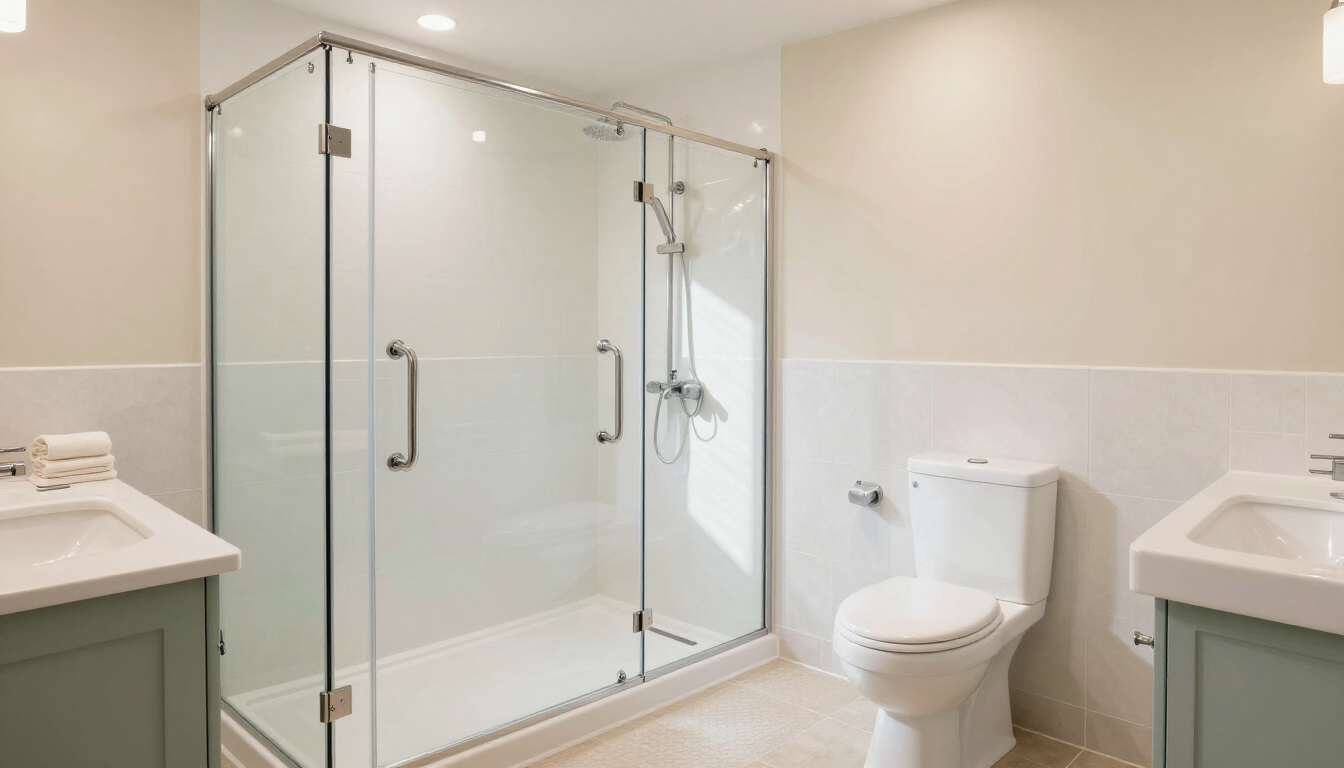
Accessible bathroom remodel for seniors in Southern MD featuring grab bars and walk-in shower.
By Plan B Bathroom and Remodeling • September 14, 2026
Discover the top 5 aging-in-place bathroom upgrades for Southern MD seniors. Improve safety and independence with grab bars, curbless showers, and ADA features.
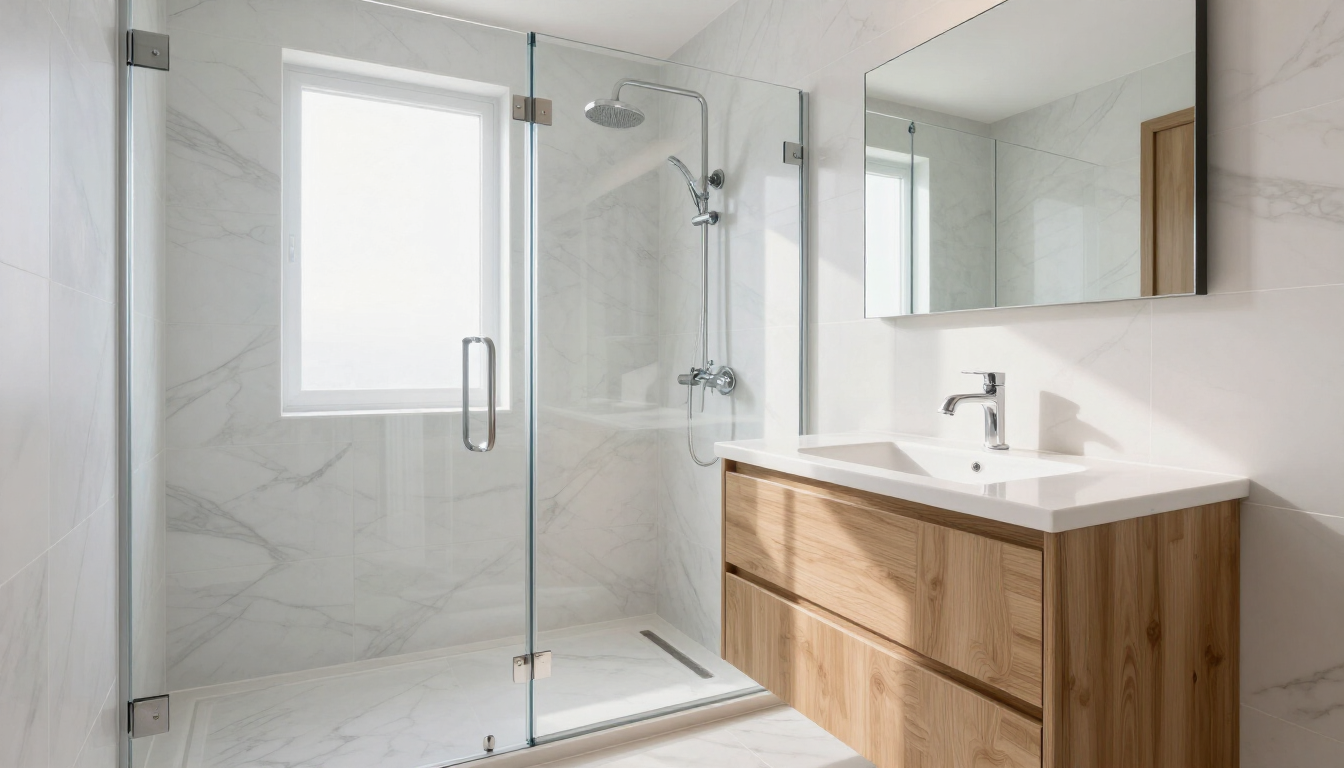
Modern small bathroom remodel in Southern MD
September 1, 2026
Transform tight spaces with these small bathroom remodeling tips for Southern MD. Explore layout hacks, vanity choices, and tile designs for a major impact.
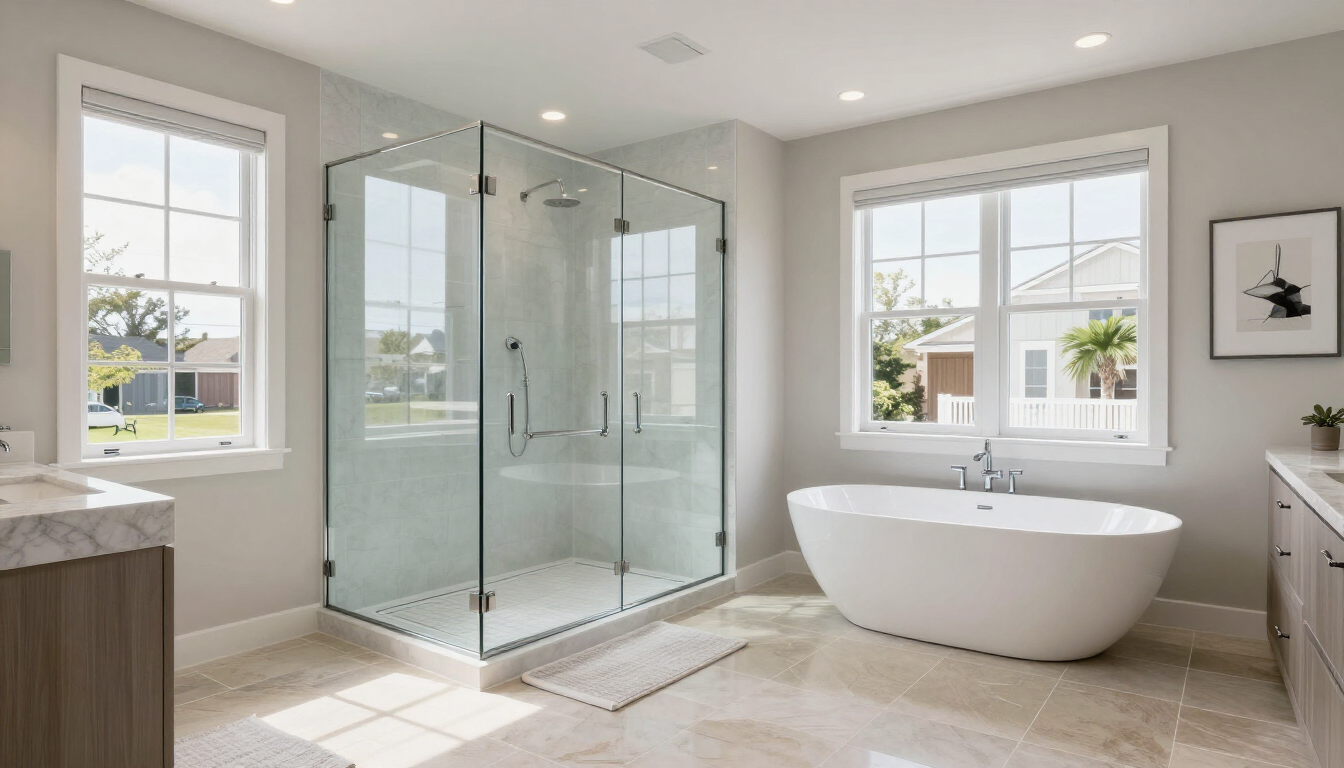
A modern master bathroom featuring both a glass walk-in shower and a soaking tub.
By Plan B Bathroom and Remodeling • August 11, 2026
Deciding between a walk-in shower or a tub for your Southern MD bathroom remodel? Compare resale value, aging-in-place benefits, and maintenance to choose the right fit.

A stunning modern bathroom renovation in Waldorf, Maryland.
By Plan B Bathroom and Remodeling • August 4, 2026
Planning a bathroom remodel in Waldorf, MD? Discover costs, trends, and local permit requirements for Charles County homeowners in this expert guide.

A beautiful modern home in Southern Maryland representing comprehensive home services.
By Plan B Bathroom • August 3, 2026
Discover expert Southern MD home services including professional plumbing and custom bathroom remodeling. Learn how to upgrade and maintain your home today.
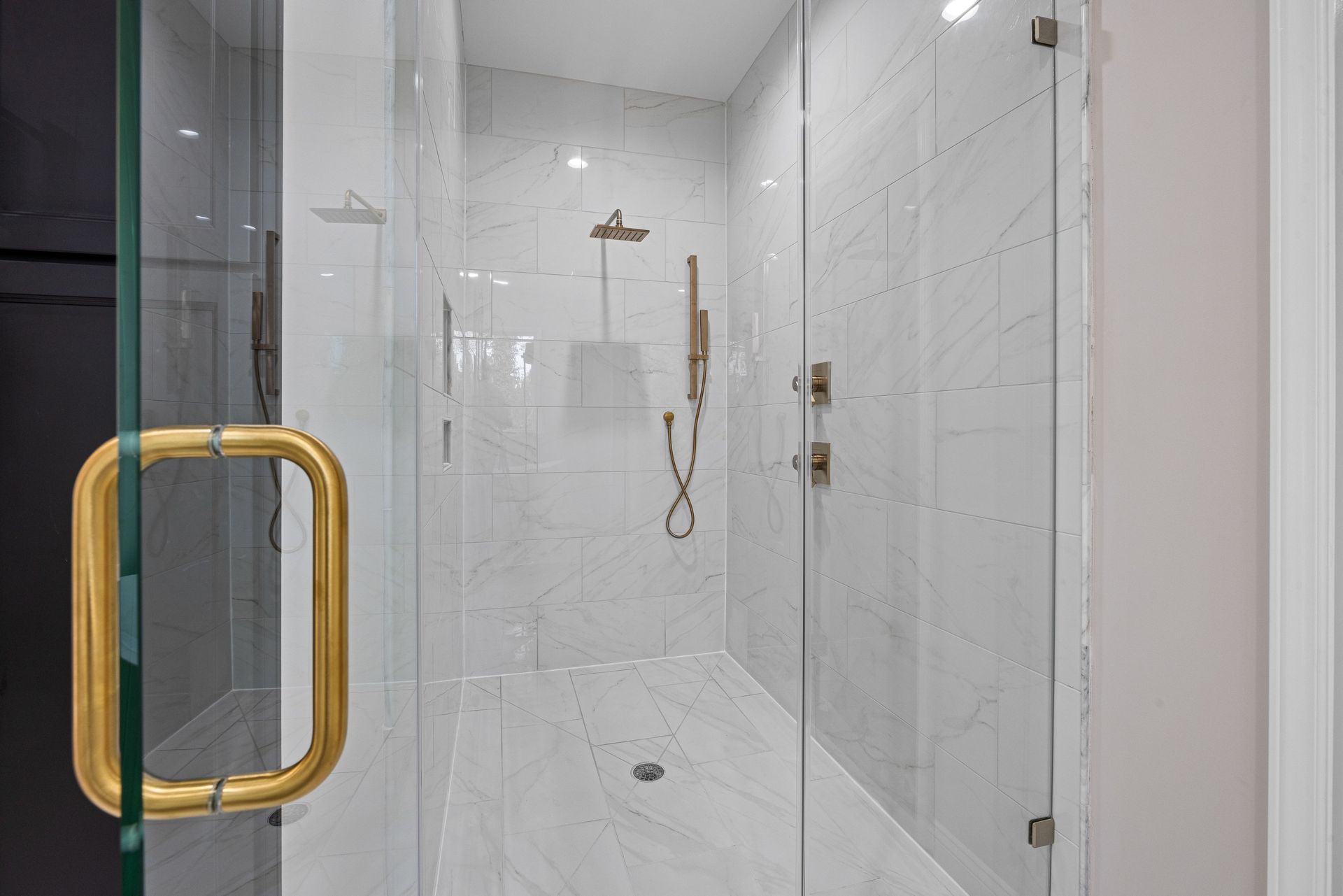
walk in shower in remodeled bathroom in Southern MD
By adpro • July 3, 2026
It's one of the first questions that comes up when Southern Maryland homeowners start planning a bathroom remodel: do we keep the tub, or do we replace it?

Bathroom Remodeling Waldorf MD |Plan B Bathroom & Remodeling
By adpro • July 3, 2026
Planning a bathroom remodel in Waldorf, MD? Plan B Bathroom & Remodeling serves Charles Co. homeowners with expert design, plumbing & full bathroom renovations.

plan b southern marylands remodeling experts
By adpro • June 11, 2026
Looking for Southern Maryland bathroom remodeling experts? Plan B serves Calvert, Charles & St. Mary's Counties. Licensed, local, and ready for a free consultation.
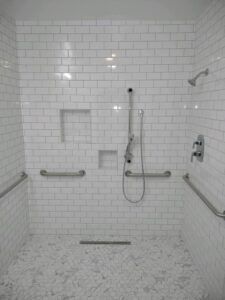
Bathroom Remodeling in Prince Frederick, MD
By adpro • June 11, 2026
If you're a homeowner in Prince Frederick, Maryland, and your bathroom is feeling dated, cramped, or just plain tired - you're not alone. Southern Maryland
Show More
